Malaysian hair extensions thicker
Are Malaysian hair extensions thicker than Peruvian or Brazilian hair? This is a common question among buyers who are comparing different hair types before making a purchase. Each variety of human hair—Malaysian, Peruvian, and Brazilian—has its own characteristics, which is why stylists and customers often prefer one over the others depending on their needs. Malaysian hair extensions in particular are known for their luxurious texture, natural shine, and density. But to understand whether they are truly thicker than Peruvian or Brazilian hair, it is important to look at their qualities in detail.
Malaysian hair extensions are sourced from donors in Malaysia and are widely praised for their smoothness and durability. One of the standout features of this hair is its natural thickness compared to Peruvian hair, which is softer and lighter. Malaysian hair is generally silkier than Brazilian hair but also has a fuller density, which means a single bundle can appear voluminous. This makes it highly desirable for women who want thick, lustrous styles without having to use too many bundles. Customers often note that malaysian hair extensions maintain a sleek and shiny look even without heavy product use, making them easy to manage.
In comparison, Brazilian hair is known for being coarser and more durable, while Peruvian hair is lighter in weight and has a more airy feel. Brazilian hair offers a strong, full-bodied look and blends well with many natural textures, which is why it remains one of the most popular choices globally. Peruvian hair, on the other hand, is extremely soft and has a natural silkiness that makes it perfect for people who want lightweight extensions that don’t feel heavy on the head. Malaysian hair extensions sit somewhere in between—they are denser than Peruvian hair but smoother and silkier than Brazilian hair, giving them a unique appeal.
When considering thickness and volume, Malaysian hair bundles stand out because they give a naturally fuller look without needing to purchase extra pieces. This makes them cost-effective for customers who want volume and length with fewer bundles. A typical Malaysian bundle feels heavier in hand compared to Peruvian bundles of the same length, reflecting its density. However, despite its thickness, Malaysian hair is not overly coarse. It retains a soft, silky texture that allows for easy styling, whether worn straight, curled, or waved. For business owners, offering malaysian hair bundles alongside Brazilian and Peruvian options gives customers more choices to match their personal preferences.
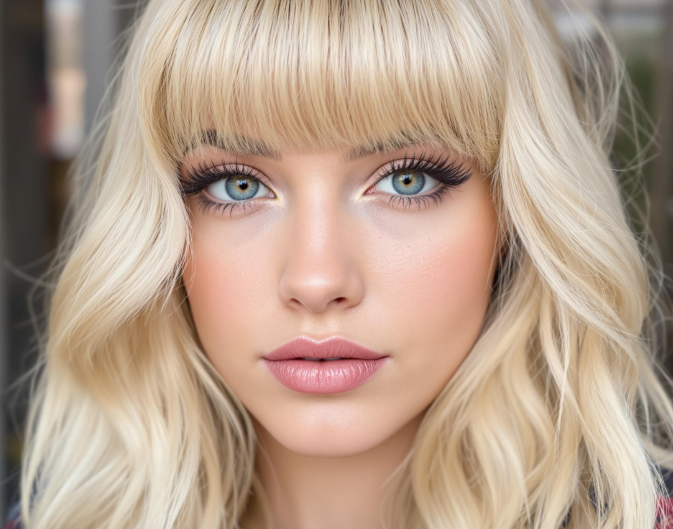
Are Malaysian hair extensions thicker than Peruvian or Brazilian hair?
Another reason Malaysian hair is considered thicker is because of how it holds styles. Unlike Peruvian hair, which can sometimes lose curl definition quickly, Malaysian hair tends to hold curls very well while still looking natural. It also blends seamlessly with different hair types, especially for women who want a sleek finish. Many customers prefer Malaysian hair for straight styles because of its shine and fullness, while Brazilian hair is often chosen for bouncy, voluminous looks. Peruvian hair, being lightweight, is typically favored in warmer climates or for people who prefer a natural, everyday look.
Durability also plays an important role in the comparison. Malaysian hair extensions are long-lasting and can be reused multiple times with proper care. They resist excessive tangling and shedding because the cuticles are aligned, which also contributes to their thickness and strength. While Brazilian hair is equally durable and often considered the strongest of the three, Malaysian hair maintains its silky smoothness for longer periods without requiring heavy maintenance. Peruvian hair, though soft and beautiful, may require more upkeep to preserve its silky texture over time.
For those in the hair business, understanding the differences in thickness and texture helps in stocking products that meet varied customer demands. Some clients may prefer the lightweight comfort of Peruvian hair, while others want the density of Malaysian hair extensions or the versatility of Brazilian hair. By offering all three, entrepreneurs can cater to different markets. Wholesale suppliers often carry these varieties, and many customers appreciate being able to compare them side by side before making a purchase.
In conclusion, Malaysian hair extensions are indeed thicker than Peruvian hair and slightly denser than Brazilian hair, though each type has its own advantages. Malaysian hair is valued for its fullness, natural shine, and silky smooth texture. Peruvian hair stands out for its lightweight softness, while Brazilian hair is admired for its strength and styling versatility. For buyers who want thickness combined with manageability, Malaysian hair is an excellent choice. Whether purchasing for personal use or resale, understanding these differences ensures customers get the best value and the right product for their style needs.